 +919170467985
The question of which place is famous for mandala art reveals a rich tapestry of spiritual and cultural epicenters rather than one single answer. The most iconic place famous for mandala art is Tibet, renowned globally for its intricate, meditative sand mandala rituals. However, the tradition’s deep roots extend to India’s ancient Vedic yantras, Nepal’s vibrant painted thangkas, and Japan’s structured Buddhist mandalas. Each of these regions has uniquely shaped and preserved this sacred art, making the mandala a universal symbol with diverse and powerful origins.
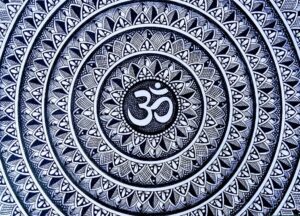
Understanding the Origins of Mandala Art
The word “mandala” comes from an old language called Sanskrit, meaning “circle” or “sacred center.” It started as a tool for meditation and to represent the universe. This art form grew and changed in different cultures around the world, making some places famous for it.
To know which place is famous for mandala art, you need to look at both its old traditions and living culture. The most famous place is Tibet, known for its beautiful Buddhist sand mandalas. But the spiritual roots of this art also run deep in the temples of India, Nepal, and across East Asia, where each area developed its own special style.
India: Ancient Source of Mandala Art
India is one of the oldest and most important places for mandala art, with its roots in ancient Vedic and Hindu spiritual practices. Here, mandalas are much more than just pictures.
-
Sacred Architecture: The design of Hindu temples is based on mandala blueprints, building from a spiritual center outwards.
-
Meditative Yantras: These are special geometric diagrams, a classic type of Indian mandala, used for focus and prayer.
-
Symbolic Systems: Indian mandalas often show spiritual ideas like energy centers (chakras) and maps of the universe, acting as guides for inner peace.
Tibet: Sacred Buddhist Mandala Tradition
Tibet is world-famous for its mandala art, especially the Buddhist tradition of creating sand mandalas. This practice turns art into a powerful spiritual ritual.
-
Meditative Discipline: Making a sand mandala is a long, careful process where monks place colored sand grain by grain. This act is a deep form of meditation.
-
Symbol of Impermanence: After a mandala is completed, it is destroyed in a ceremony. This teaches the important lesson that nothing material lasts forever.
-
Path to Harmony: These detailed sand designs are seen as the perfect homes of enlightened beings, representing a universe in balance and peace.
Nepal: A Living Mandala Culture
Nepal is a world-famous and active center for mandala art. Here, it is a living part of everyday spiritual and community life, especially for the Newari people.
-
Mixing Traditions: Nepal’s mandalas beautifully combine Hindu and Buddhist symbols, showing the country’s blended spiritual history.
-
Painted Masterpieces: Unlike temporary sand art, these mandalas are carefully painted as lasting devotional art, called Paubhas, for homes and temples. They are often kept as family treasures.
-
Passing Down Knowledge: The tradition stays alive because masters teach students the strict rules for colors and symbols, ensuring the culture continues vibrantly.
Japan: Mandala Art in Esoteric Buddhism
Japan is a key place for mandala art within a deep form of Buddhism called Esoteric Buddhism. Here, mandalas are not just art, but maps of spiritual teachings.
-
The Two Main Mandalas: Practice focuses on two great mandalas. The Womb World mandala shows compassion and how all life is connected. The Diamond World mandala represents wisdom and unbreakable truth.
-
Philosophy in Pictures: These works are masterpieces of sacred geometry. Their perfect structure and balance are used to visually explain complex spiritual ideas.
-
Tools for Meditation: They are used in rituals and training as focal points for deep meditation, guiding people toward enlightenment.
Bhutan: Mandala Art in Monastic Life
Bhutan is famous for mandala art because it is deeply woven into its active monastery life. It is a key part of spiritual training and artistic heritage here.
-
Made for Rituals: In Bhutan, mandalas are created as essential supports for Buddhist rituals and meditation, not as decoration.
-
Teaching with Art: Every part of the mandala follows strict traditional images. This makes it a precise visual tool for teaching complex Buddhist philosophy.
-
A Protected Tradition: The art is preserved through strict rules passed from master to student, keeping its spiritual purpose pure and unchanged by the modern world.
Sri Lanka: Mandala Influence in Healing Art
Sri Lanka is a special center for mandala art, known for its calming and healing approach that connects this geometry to spiritual wellness.
-
Art for Healing: Sri Lankan mandalas focus on creating inner peace, mental clarity, and balance. They are often used in healing rituals and quiet meditation spaces.
-
Peaceful Architecture: Their soothing patterns can be seen in serene temple paintings and calm monastery buildings, making spaces perfect for mindfulness.
-
A Gentler Tradition: This focus on therapy and inner reflection offers a quieter, but deeply meaningful, branch of the mandala tradition that is loved by global wellness communities.
Global Reach: Modern Hubs of Innovation
Today, mandala art is found everywhere. Countries like the USA, Germany, Australia, and the UK are now lively hubs where the art form is growing in new ways.
-
Art for Wellness: Mandala art therapy is popular in psychology and wellness for helping with focus and reducing stress.
-
New Styles and Tools: Artists are exploring new frontiers with digital designs, 3D-printed sculptures, and intricate laser-cut art.
-
Universal Shapes: The study and use of sacred geometry connects today’s creators to the ancient, universal rules behind the art.
Why Mandala Art Is Becoming Popular Worldwide
The global rise of mindfulness and wellness has put mandala art in the spotlight. People are now interested not just in its history, but in how it helps mental health and creativity.
-
Easy Art Therapy: The focused, repetitive act of drawing or coloring mandalas is known to reduce stress and help emotional healing.
-
Mindful Creativity: It gives people a structured way to be creative and mindful at the same time, using patterns and symmetry.
-
A Universal Symbol: As a form of spiritual expression, it goes beyond any single religion, allowing anyone to see their own life journey in a symbol of wholeness.
How Old and New Mandala Art Are Connected
The strong link between ancient and modern mandala art is what keeps it relevant worldwide. The old spiritual ideas give a timeless structure for new creativity.
-
Built on Sacred Roots: Modern artists use the sacred geometry, symbols, and meditative goals established for centuries in places like India and Tibet.
-
New Tools, New Reasons: While respecting these roots, today’s artists use digital tools, 3D art, and therapy to adapt the ancient practice for modern life and personal expression.
-
The Same Core Goal: Both old and new practices share one main purpose: to make a map of the inner self and the universe, whether for spiritual growth, healing, or creative focus.
Frequently Asked Questions (FAQs)
Which place is famous for mandala art?
Many places are famous. India is its ancient source. Tibet is known for sand mandalas, Nepal for painted art, and Japan for its deep philosophical forms.
Is mandala art only Buddhist?
No. It started in ancient Hindu traditions in India. Buddhism later adopted and developed it deeply, but it is connected to many spiritual paths.
Why is India important for mandala art?
India is the foundation. Mandala ideas shape Hindu temple designs, meditative diagrams (yantras), and pictures of energy centers (chakras).
How is Tibetan mandala art different from Indian?
Tibetan art, often made from colored sand, is a ritual that teaches about impermanence. Indian art is more often geometric and symbolic, made as lasting tools for spiritual study.
Is mandala art popular today?
Yes, very. It’s popular worldwide in art therapy, mindfulness, and modern design. Artists now create digital and 3D mandalas, making it relevant for everyone.
Conclusion
The answer to where mandala art comes from is not a single location, but a shared human tradition. The ancient roots from India, the ritual mastery of Tibet, the living culture of Nepal, the organized philosophy of Japan, and the creative modern hubs worldwide all contribute. Together, they make mandala art a universal language of balance and mindfulness—a tradition celebrated and shared with you by Snehlata Art Gallery.