 +919170467985
The practice of Mandala Art transcends visual creativity, actively demonstrating how Mandala Art cultivates mindfulness and inner balance by connecting the artist to their own inner awareness. This ancient form reveals its power to calm the mind, improve focus, and foster emotional harmony. Through its repetitive patterns and intentional symmetry, Mandala Art slows racing thoughts and encourages present-moment awareness. This practice helps individuals release stress, develop patience, and discover inner stillness. Ultimately, the meditative process of creating a mandala transforms creative expression into a peaceful journey, directly showcasing how Mandala Art cultivates mindfulness and inner balance.
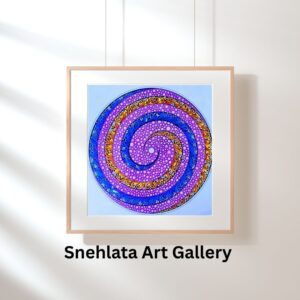
Discover Mindfulness Through Mandala Art
Mandala Art is more than visual beauty; it’s a meditative practice that actively cultivates focus, calm, and mindfulness. Each intricate design invites the mind to slow down, creating a direct pathway to inner reflection and peace.
Achieve Inner Balance with Mandalas
Creating or observing 3D Mandala Art harmonizes emotions and thoughts, actively promoting balance and mental clarity. At Snehlata Art Gallery, our curated collection of 3D Mandalas offers a journey of self-discovery, mindfulness, and artistic inspiration. Explore our gallery and experience the transformative power of sacred geometry in your space.
Understanding Mandalas
Meaning and Origin of Mandalas
The Sanskrit word “mandala” means “circle” or “sacred center.” Ancient Indian spiritual traditions used these symmetrical designs as sacred visual tools for ritual and meditation, symbolizing the universe and representing wholeness, infinity, and balance.
Mandalas as Sacred Visual Tools
A mandala acts as more than art; it functions as a map for contemplation. Its layers intentionally guide the observer from the outer edges—the material world—toward the central core, which symbolizes pure consciousness. This structured path naturally supports a mindful state.
What Is Mindfulness?
Concept of Mindfulness and Inner Awareness
Mindfulness is the practice of maintaining deliberate, non-judgmental awareness of the present moment. It involves observing thoughts and sensations without reaction, which fosters clarity and calm.
Mindfulness in Ancient and Modern Practices
Rooted in ancient traditions, modern wellness culture embraces mindfulness to counteract stress and digital overload. Engaging visually with a mandala makes this practice immediately accessible, focusing attention to cultivate inner balance.
How Mandalas Support Mindfulness
Focus and Attention Through Mandala Observation
Observing a mandala’s detail demands deep focus. As the mind engages with its symmetry, external distractions fade, allowing mental stillness to emerge. This visual concentration actively relaxes the nervous system and centers awareness.
Creating Mandalas as a Meditative Practice
The act of drawing or coloring a mandala becomes a moving meditation. Repetitive, intentional movements establish a rhythmic flow that quiets mental chatter and regulates emotions, transforming art-making into a mindful ritual.
Mandalas and Inner Stillness
Calming the Mind Through Sacred Geometry
Sacred geometry forms a mandala’s foundation. Its balanced shapes and harmonious proportions create visual order, which the mind interprets as stability. This experience of harmony directly promotes mental calm and emotional regulation.
Emotional Healing and Mental Clarity
Structured visual engagement with mandalas can reduce anxiety and improve self-awareness. This practice provides a non-verbal space for reflection, which fosters emotional resilience and mental clarity over time.
Mandalas in Daily Mindfulness Practices
Mandalas in Yoga, Meditation, and Healing Spaces
Today, yoga studios and wellness centers incorporate mandalas as focal points to deepen concentration and support a tranquil atmosphere. The art at Snehlata Art Gallery intentionally enriches these mindful spaces.
Integrating Mandalas into Everyday Life
You can seamlessly weave mandalas into daily routines. Morning visualization or evening coloring sessions with a mandala bookend the day with mindfulness, offering simple tools to maintain emotional equilibrium.
Contemporary Relevance of Mandalas and Mindfulness
Mandalas in Modern Art and Wellness Culture
Contemporary artists continuously reimagine traditional mandala designs. At Snehlata Art Gallery, we create both digital and handcrafted pieces that preserve symbolic depth while meeting modern aesthetics, extending their calming influence to a global audience.
Growing Interest in Conscious and Spiritual Art
A rising demand exists for art with intention. Mandalas fulfill this need by merging spiritual symbolism with mindful engagement. Unlike purely decorative art, they offer experiential value—beauty that actively supports well-being and helps cultivate mindfulness.
Conclusion
Mandalas and mindfulness together offer a timeless pathway to peace. By uniting focused visual engagement with conscious awareness, they effectively quiet the mind and reconnect us with a deeper sense of self. At Snehlata Art Gallery, we champion this fusion—a practice that transforms spaces and actively supports a more centered, balanced way of living.